Why the Tech Industry Must Stand With Sex Workers Now
Sex workers aren’t asking for pity. They’re asking for protection. And right now, the tech industry - the very same one building apps that connect people, manage payments, and enable safety tools - is turning away. Platforms like Uber, Airbnb, and even dating apps have policies that quietly erase sex workers from their ecosystems. Algorithms flag their accounts. Payment processors freeze their funds. Customer support ignores their help requests. Meanwhile, laws and public opinion keep painting them as criminals, not people. This isn’t just unfair. It’s dangerous.
When a sex worker in Dubai needs to screen a client safely, they don’t have access to verified ID checks or emergency buttons built into mainstream apps. Some turn to niche platforms, like high class escort dubai, not because they want to be hidden, but because mainstream tech refuses to let them be seen. These platforms aren’t glamorous. They’re survival tools. And they’re the only ones offering features like anonymous location sharing, client rating systems, or real-time check-ins - features that major tech companies could build in hours if they chose to.
Technology Already Serves Sex Workers - But Only in the Shadows
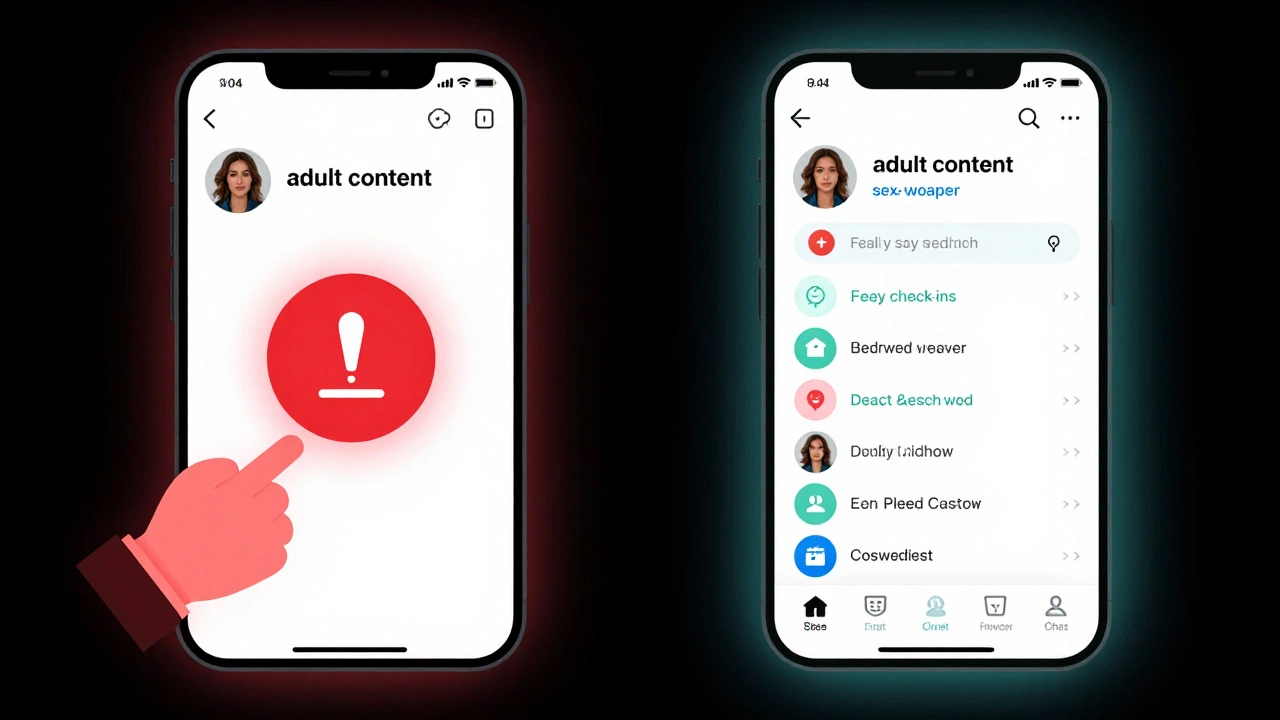
Think about how much tech has changed daily life: ride-sharing, food delivery, freelance marketplaces. All of these rely on trust systems built into apps. But when it comes to sex work, those same trust systems are weaponized. A person who drives for Uber gets a 5-star rating. A sex worker using the same app to communicate with clients gets flagged as "adult content." Why? Because the tech industry still sees sex work as something to police, not something to protect.
Real safety tools exist. Apps like Switter and Babel allow sex workers to share client details with peers, log appointments, and trigger alerts if something goes wrong. These aren’t fringe experiments. They’re built by sex workers, for sex workers. And they’re constantly under threat - from payment bans, domain seizures, and platform takedowns. The tech industry doesn’t just ignore them. It actively undermines them.
The Myth of "Rescue" and the Reality of Criminalization
Every year, NGOs and lawmakers push "rescue" campaigns that claim to save sex workers. But these campaigns often lead to more arrests, more surveillance, and fewer safe spaces. In Dubai, where sex work is illegal, the risk isn’t just social stigma - it’s detention, deportation, or worse. When tech companies remove platforms that sex workers rely on, they’re not protecting them. They’re pushing them further into the dark, where violence is more likely and help is harder to find.
There’s a cruel irony here: the same tech giants that tout "safety" and "empowerment" in their marketing are the ones cutting off access to tools that could save lives. A woman working as a mature escort in Dubai doesn’t need to be saved. She needs reliable internet, secure communication, and the ability to screen clients without fear of her account being deleted at midnight.
What Allyship Actually Looks Like
Allyship isn’t a tweet. It’s not a Pride Month logo change. It’s not donating to an anti-trafficking org that doesn’t include sex workers in its planning. Real allyship means:
- Building inclusive safety features into apps - like panic buttons, encrypted messaging, and verified client profiles - without banning sex workers outright
- Allowing payment processors like Stripe and PayPal to serve sex workers without fear of penalties
- Training customer support teams to handle sex worker inquiries with dignity, not judgment
- Advocating for policy changes that decriminalize sex work, not criminalize the tools they use
Some companies are starting to get it. In 2023, a small Canadian fintech firm began allowing sex workers to process payments under the label "personal services." No red flags. No delays. No audits. They didn’t make a press release. They just did the right thing.
The Cost of Silence
When tech companies stay silent, they’re not neutral. They’re complicit. Every time a sex worker is forced to meet a client in a parking lot because their app was shut down, someone in Silicon Valley made a choice - to prioritize brand safety over human safety. Every time a payment is blocked because a transaction looks "suspicious," a person loses income, stability, and sometimes, their freedom.
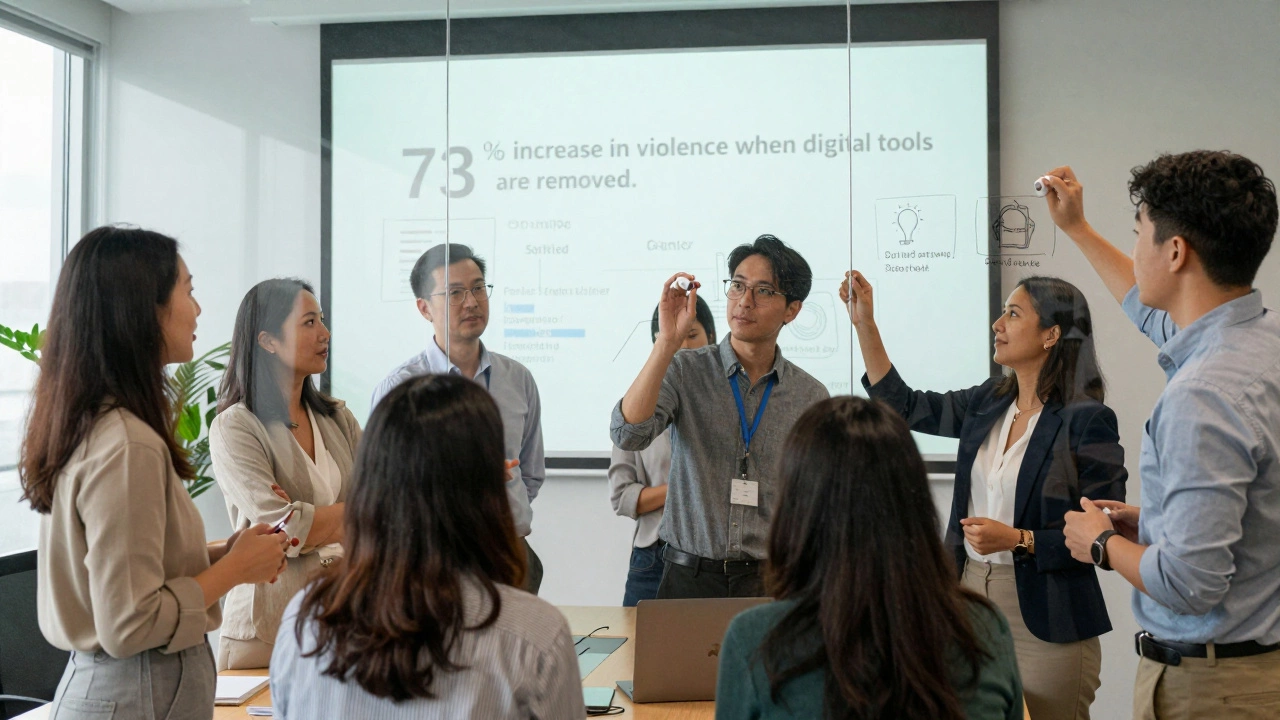
In 2024, a study by the Global Network of Sex Work Projects found that 73% of sex workers who lost access to digital tools reported increased violence. That’s not a coincidence. That’s a direct result of tech policies designed to avoid controversy, not to save lives.
And it’s not just about apps. It’s about data. Facial recognition systems used by police in cities like Dubai are trained to identify sex workers based on clothing, location, or behavior. Tech companies sell that data to law enforcement. They don’t ask if it’s accurate. They don’t ask if it’s ethical. They just collect the money.
Where Do We Go From Here?
Sex workers don’t need saviors. They need partners. And the tech industry has the power to be one.
Start by listening. Hire sex workers as consultants. Fund their projects. Let them design the tools they need. Stop assuming you know what’s best. Stop assuming they’re victims. They’re professionals. They’re entrepreneurs. They’re people.
If you’re a developer, build safety into your next app - even if it’s not for sex work. Make it inclusive. Make it secure. Make it work for everyone.
If you’re a product manager, demand policies that don’t punish people for how they earn a living.
If you’re in leadership, use your influence to change the rules. Call out the vendors who blacklist sex workers. Push back on legal teams that say "it’s too risky." There’s no risk in doing what’s right.
And if you’re reading this and wondering why this matters - ask yourself: if it were your sister, your friend, your neighbor - would you want tech to turn its back on them?
The next time someone says "sex work isn’t real work," show them the data. Show them the apps they use. Show them the woman who works as a dubai sex escort, pays her taxes, sends her kids to school, and still can’t get a bank account. Show them the mature escort in dubai who uses a secure platform to stay alive - and ask why the rest of us are still looking away.
What’s at Stake
This isn’t about morality. It’s about power. It’s about who gets to decide who’s worthy of safety, dignity, and access to technology. The tech industry has more influence than governments, banks, and media combined. And right now, it’s choosing silence over justice.
That can change. But only if enough people demand it.